What a Ship Frozen in Antarctic Ice Can Teach You About Running a Car Wash
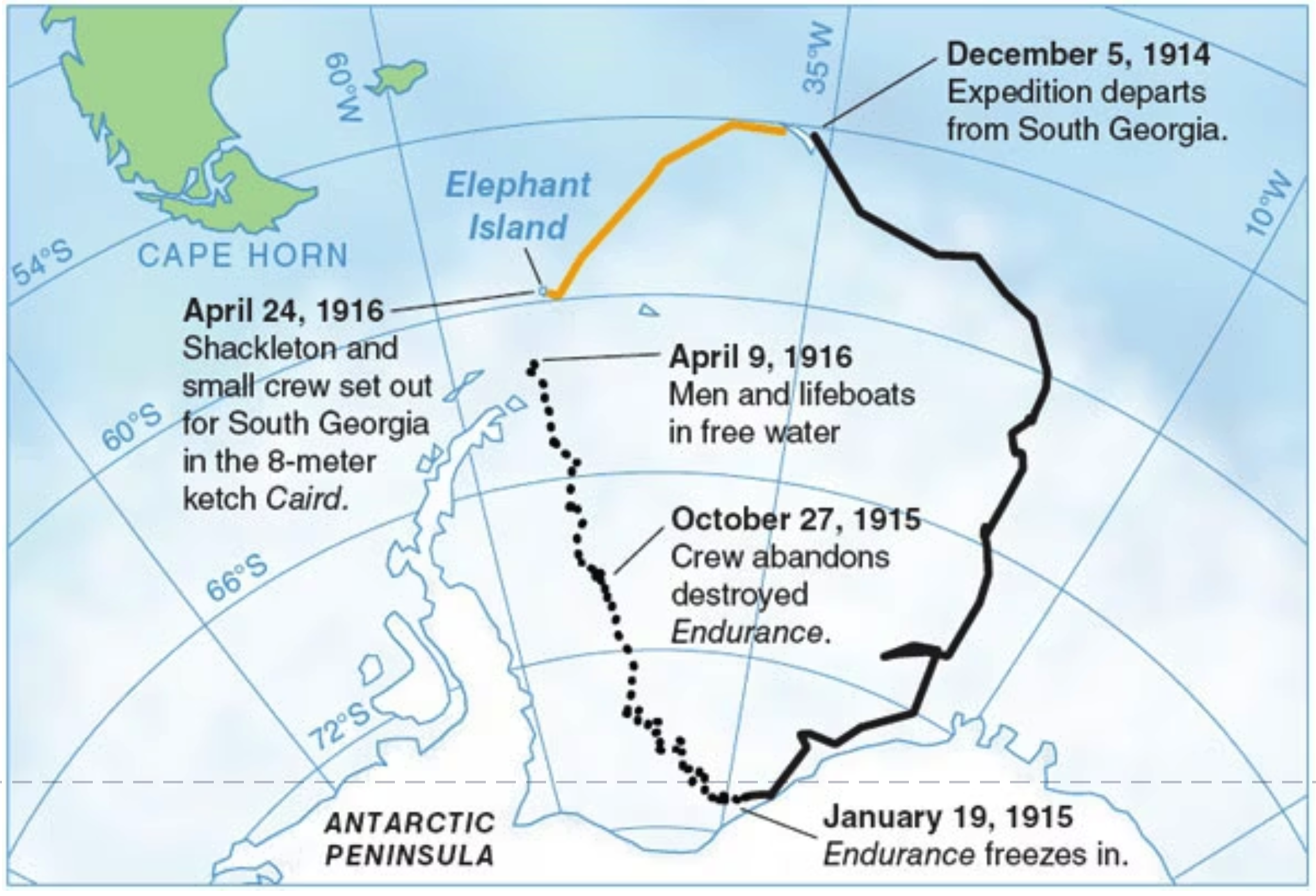
In 1914, Ernest Shackleton set out to cross Antarctica on foot. He never made it. His ship, Endurance, got trapped in pack ice, crushed, and sank — stranding his 27-man crew for nearly two years in one of the most hostile environments on Earth.
Every single man made it home alive, which is worth studying. Not the failed mission — the leadership that turned a disaster into a survival story. If you don’t know the story, look it up, you will be amazed. Here's what it means for those of us running car washes.
1. When the plan breaks, change the plan — fast. The moment the ice trapped his ship, Shackleton didn't cling to "cross the continent." He shifted the entire goal to "get everyone home alive" and never looked back. When a piece of equipment fails, a manager quits, or a season goes sideways, the question isn't "how do we save the original plan?" It's "what's the real goal now?"
Try this: Next time a piece of equipment goes down or a key employee walks, write down the new goal in one sentence before you start problem-solving. It keeps the whole team pointed at the same target instead of everyone chasing the old plan.
2. Structure is what holds a team together when there's nothing to do. Ten months adrift with nothing but waiting, Shackleton ran the camp on strict routines — work assignments, scheduled activities, and standards that had to be met. Slow season at your site is your version of that ice floe. Idle crews without structure get restless and sloppy. Keep the routine tight even when the car count is thin.
Try this: Build a slow-season checklist now — deep cleaning, equipment PM, retraining, membership win-back calls — so when volume drops, your team has a list instead of standing around. You can dial this in by day, so there is one for each day of the week.
3. Don't let team friction sit. Shackleton reshuffled tent groups on the ice specifically to keep difficult personalities from poisoning the group. He didn't wait for it to blow up. If you've got a manager-employee clash or a bad mix on a shift, that's not a "let it work itself out" problem. Move people before it festers. In your case, when necessary, you have the luxury of terminating their employment and bringing someone else in. Shackleton didn't have that option.
Also, as an interesting side note, here is how Shackleton advertised for job openings:
"Men Wanted for Dangerous Expedition: Low Wages for Long Hours of Arduous Labour under Brutal Conditions; Months of Continual Darkness and Extreme Cold; Great Risk to Life and Limb from Disease, Accidents and Other Hazards; Small Chance of Fame in Case of Success."
Try that on your next job ad and see if you can find enough willing candidates!
Try this: If you're avoiding a personality conflict between two employees, schedule the conversation this week — not "when things calm down." A 15-minute talk now beats losing a good employee later because you let a bad one poison the shift.
4. Take the hardest job yourself. When it was time to sail 800 miles in a 22-foot boat across the most violent seas on Earth for help, Shackleton didn't send someone else — he went himself. Your team notices when you're willing to take the ugly shift, the tough conversation, or the 5 a.m. call that nobody wants.
Try this: Pick one task this month that you'd normally delegate — a tough customer complaint, a closing shift, a hard conversation with a vendor — and take it on yourself. Your crew will notice, even if you never mention it.
5. Success is measured by people, not the plan you started with. Shackleton never crossed Antarctica. His expedition, by its original goal, failed completely. But history remembers him as one of the greatest leaders ever, because everyone came home. Revenue targets and expansion plans matter — but if you're building a team that trusts you and sticks around, that's the real win, even in a year that didn't go the way you drew it up.
Try this: At your next review of the year, add one metric alongside revenue and car counts: employee retention. A year where your core team stayed is a successful year, even if the numbers came in under plan.
One to sit with: Where has your plan already changed on you this year — and did you admit it, or are you still pretending it hasn't?