What British Cycling Can Teach Your Car Wash Team About Getting Better Every Day
What British Cycling Can Teach Your Car Wash Team About Getting Better Every Day
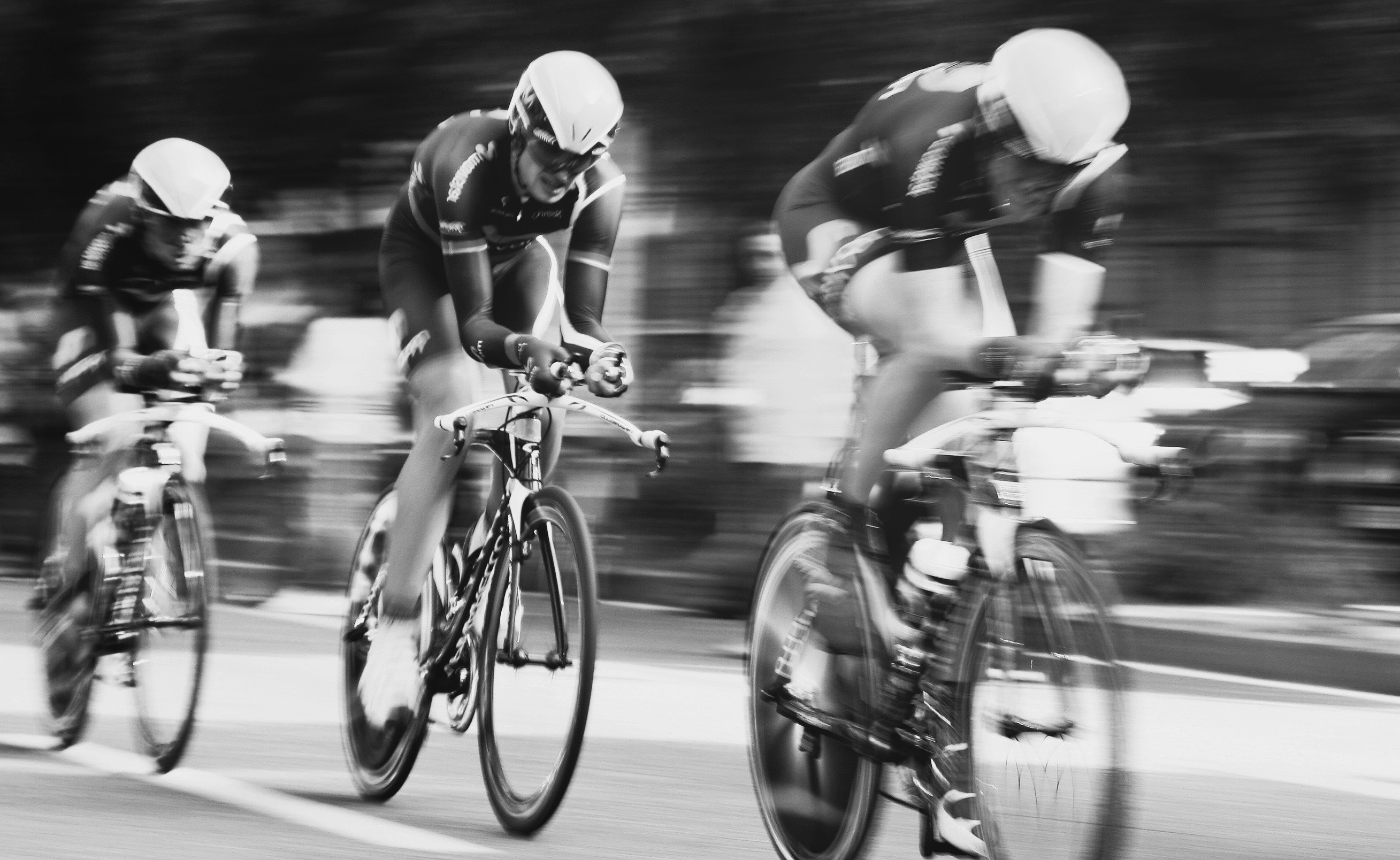
One hundred years of losing. Zero Tour de France wins. They were so bad that bike companies literally refused to sell them gear — afraid it would hurt their brand just to be associated with the British Cycling Team.
Then one guy changed everything. Not with a massive overhaul. Not with a huge budget. Not by recruiting a completely different roster of athletes. He changed everything with one percent.
The Man Who Broke 100 Years of Losing
In 2003, Dave Brailsford was appointed Performance Director of the British Cycling Team. At that point, they had been a punchline in the cycling world for a century. One gold medal at the Olympics since 1908. Not a single Tour de France win in 110 years. That's a long time to be bad at something.
Brailsford came in with a philosophy he called the Aggregation of Marginal Gains. The idea was simple but powerful: break down everything that goes into riding a bike, improve each piece by just one percent, and watch what happens when all of those tiny improvements start compounding on each other.
Not one big thing. One hundred small things.
What They Actually Changed
Some of what they did was exactly what you'd expect from a world-class cycling program. They redesigned the bike seats so riders could stay on them longer without discomfort. They rubbed alcohol on the tires for better grip. They added electrically heated shorts to keep muscles warm during cold events. They strapped biofeedback sensors on their athletes to understand exactly how each person was responding to training. They tested fabrics in a wind tunnel and switched their outdoor riders to lighter, more aerodynamic suits.
Okay, sure. That makes sense for a professional cycling team.
But then they did some things nobody saw coming.
They tested different massage gels to figure out which one led to the fastest muscle recovery. In a race like the Tour de France — where you're covering massive distances every single day — the ability to recover overnight isn't a luxury, it's the whole game.
They hired a surgeon to teach their riders how to wash their hands properly. Not because they were germophobes — because one sick rider would get the whole team sick, and suddenly your shot at the podium is gone because somebody didn't wash their hands well enough. So they learned to wash their hands the way a surgeon washes before going into the operating room.
They found the best pillow and mattress for each individual athlete. And then — this is the part that gets me — they loaded those mattresses into a truck, and that truck followed the team from race to race, getting ahead to the hotel so the mattresses could be swapped out before the riders arrived. Every night. So each athlete could get the best possible sleep for the next day's race.
They even painted the inside of the team truck white — so they could spot tiny bits of dust on the bikes that nobody would have noticed otherwise, but that could have caused mechanical issues at the worst possible moment.
None of those things sound like the reason a cycling team wins the Tour de France. But that's exactly the point.
What Happened Next
Five years after Brailsford took over — just five years — the British Cycling Team went to the 2008 Beijing Olympics and won 60% of the available gold medals in their events.
Four years after that, at the 2012 London Games on their home turf, they set nine Olympic records and seven world records in a single Olympics.
And in the Tour de France — the race they had never won in 110 years of trying — they won five titles in six years.
Over a ten-year span, British cyclists won 178 world championships and 66 Olympic and Paralympic gold medals. They went from zero to the greatest cycling dynasty in the history of the sport.
And for what he built, Dave Brailsford was knighted by the Queen. He is now Sir Dave Brailsford. Which honestly feels right. If painting a truck white and finding the right mattress can produce that kind of result, a knighthood seems fair.
Why This Matters for Your Car Wash
Here's the thing about this story — it doesn't just apply to cycling. It applies to any operation where there are a lot of moving parts, a lot of people, and a lot of small moments that either go right or go wrong.
That's a car wash.
If you do the math on the 1% concept: getting one percent better every single day for a year compounds to 37 times better by the end. And on the flip side, getting one percent worse every day doesn't just leave you where you started — it takes you down to nearly nothing.
The difference between a car wash that's thriving and one that's struggling usually isn't one giant thing. It's a hundred small things — the greeting at the pay station, the chemistry calibration in the tunnel, the way vacuums get cleaned between shifts, and so on.
One percent things. All day long.
How to Bring This to Your Team
Here's where I want to challenge you as an operator, because this only works if you bring your team into it.
Start by telling the story. Before your next team meeting, do a little research on Sir Dave and the British Cycling program. Watch a video. Read an article. Then show up to your preshift huddle and tell your team what you learned. Tell them about the mattresses in the truck. Tell them about the white paint in the van. Show them what's possible when a team commits to making things one percent better.
Then tell them you want to do the same thing at your site — but you need their help.
Give them a way to submit ideas. Whether that's a whiteboard in the break room, a QR code that goes to a quick form, or just two minutes at the end of every preshift — give your team a place to put their ideas. The rule is simple: be specific. Not "we should be nicer to customers." Instead: "We should greet every car within five seconds of pulling to the attendant." Specific. Actionable. Testable.
Make them the champion of their own idea. When someone submits an idea that you want to try, don't just go implement it yourself. Bring that person in. Let them help figure out how to do it. Let them be the one who shows the rest of the team. When people feel like they actually changed something — not just suggested it, but changed it — they show up differently.
Call them out when it works. When an idea gets implemented and it moves the needle, say that person's name in the next team meeting. Connect the dots: "Hey, Marcus had an idea to increase our hospitality at the pay stations by giving a customer a surprise gift just for coming in. That's a Marcus win." That's the moment your culture starts to shift.
Post a visible board. Ideas submitted. Ideas tested. What changed. Make it visual. Make it public. Let people see that this isn't just a thing you said once and forgot about — it's how you actually operate.
The Challenge
Before your next shift, before your next team huddle, ask yourself one question: if we made one thing one percent better today, what would it be?
Then ask your team the same question.
Write it down. Try it. See what happens.
You will be surprised at the ideas your people bring to the table. They're in the tunnel every day. They're watching what customers do at the exit. They see things you don't see. Most of the time, they just don't think anyone wants to hear it — or they're not sure they're allowed to say it.
Give them the space. Give them the credit. Give them the small reward that shows you're paying attention.
That's how Sir Dave built a dynasty out of a team that couldn't get a bike manufacturer to return their calls. And it's how you build a car wash operation that your team is proud of and your customers keep coming back to.
One percent at a time.