Why Try? Breaking the ‘I’ll Just Do It Myself’ Mindset
"I'll Just Do It Myself."
I wish I had a dollar for every time I said those words. I would have retired years ago with a fleet of private jets to take me anywhere in the world.
Before I really understood people management, my frustration with how tasks were completed led me to believe it was easier to just do them myself. After all, I knew exactly what I wanted and how I wanted it done. I could do it faster and better than anyone else, so why not?
What I didn't realize was how destructive that mindset was to my employees. Here's what it taught them:
The owner has no confidence in me, so why try?
The owner will be unhappy with how I do it, so why try?
The owner isn't open to new or better ways of doing it, so why try?
The owner changes his mind all the time, so why try?
"Why try?" became my team's standard. I ended up doing all the work because I had taken it away from them.
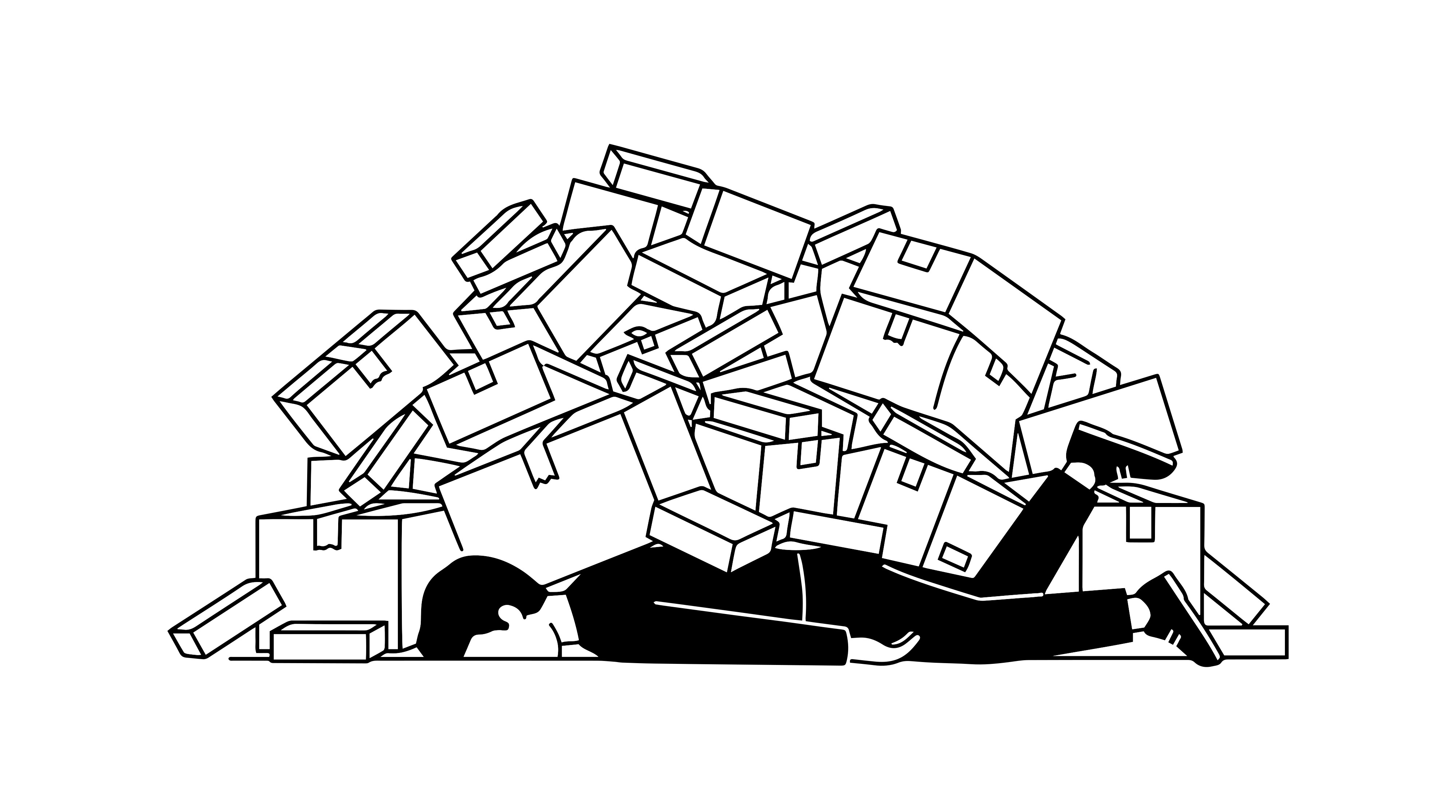
I told myself I could do it better than they could. The problem was, I was right — I could. And because of that, I never developed my team into the high-performing group I wanted. I wasn't doing an owner's job; I was just a highly paid carwash employee.
So how did I break the cycle of "I'll just do it myself"? Three things:
I accepted "good enough." I told myself that if a job was done to 80% of my standard, it would be a win. My standards were probably too high anyway. "Good enough" gets things done and lets the team feel good about their accomplishments. My perfectionist tendencies were killing their performance.
I let them fail. I gave my team some latitude to fail at first. They learned from it, and so did I. The lessons learned through failure tend to be the best ones.
I asked, "How would you do it?" I created an environment where team members could suggest better ways to perform their tasks and fulfill their roles. I learned that they are far better equipped to improve a process than I am — because they're the ones doing it every day.
None of this came naturally to me, and I still catch myself reaching for tasks that aren't mine to do. But every time I hand one back, my team gets a little stronger, and I get a little closer to doing the job I'm actually paid to do: leading. I may never get that fleet of private jets, but I'll take a team that doesn't need me hovering over them any day.
